The rooms I love most are almost never done in one style. They're a modern sofa with an inherited wooden cabinet, a vintage rug under a contemporary lamp, art from three different decades on the same wall. Mixed rooms feel like real people live there, like things were gathered over time instead of ordered in a single afternoon. The catch is that "mixed" sits one bad decision away from "messy." The difference isn't luck. It comes down to a few quiet rules that hold the whole thing together.
After years of pulling these rooms together for clients, here's how I keep an eclectic mix looking intentional instead of accidental.
Let one palette do the heavy lifting#
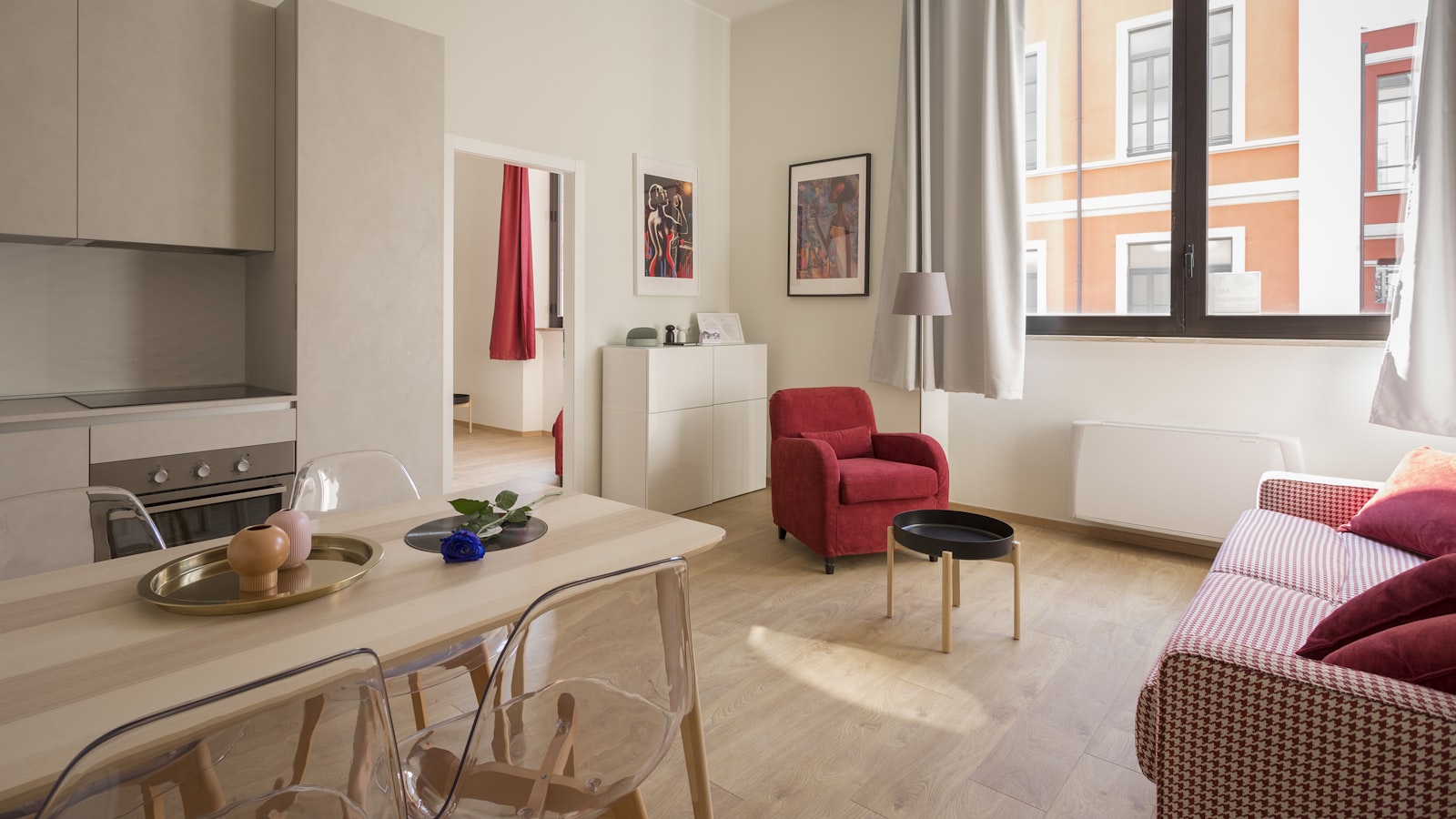
If you take one idea from this, take this: a shared color palette is the thread that ties everything else together. You can mix a sleek modern chair with a carved antique table and a mid-century lamp, and as long as they speak the same color language, the room reads as one collected space rather than a jumble.
Pick a tight, restrained palette and let it run through the room regardless of style or era. That might be warm neutrals with a single accent color, or a family of muted tones that all sit comfortably side by side. When the colors agree, your eye stops noticing that the pieces come from different worlds and starts seeing them as a set.
This is freeing, not limiting. Once the palette holds the room together, you can be far braver about mixing shapes, periods, and origins than you'd dare to otherwise. The palette is the permission slip.
Balance old and new#
A room that's all antiques can feel like a museum nobody's allowed to sit in. A room that's all brand-new can feel like a showroom with no soul. The magic is in the mix, and the mix needs to be roughly balanced.
Set old against new on purpose. A contemporary sofa looks more interesting beside a worn wooden chest. A modern kitchen warms up with an old farmhouse table. An antique mirror sharpens up over a clean-lined console. Each makes the other look better by contrast; the old piece keeps the new one from feeling sterile, and the new piece keeps the old one from feeling fusty.
One genuinely old thing in a room of new pieces does more for character than a whole houseful of carefully matched reproductions.
You don't need true antiques or a big budget for this. One inherited piece, one thrifted find, one thing with some age and a story counts. The point is contrast across time, not authenticity certificates.
Repeat something to tie it together#
Here's the technical move that quietly makes mixed rooms work: repetition. When unlike pieces share a recurring element, the eye connects them, and the room feels composed.
The repeated element can be almost anything, as long as it shows up two or three times across the space:
- A material, like brass or warm wood, echoed in a lamp, a frame, and a handle.
- A shape, like curves repeated in a round mirror, an arched lamp, and a soft-edged chair.
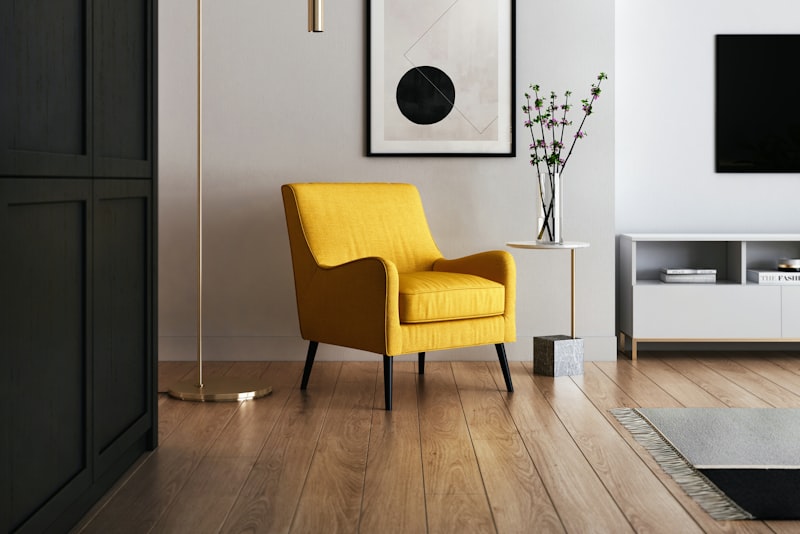
- A finish or tone, like matte black turning up in legs, hardware, and a light fixture.
- A texture, like a nubby weave appearing in a rug, a cushion, and a throw.
You're not matching everything. You're leaving a trail of small rhymes through the room. Two or three repetitions of one element is usually enough to make a wildly mixed space feel deliberate. Pick something already present in a piece you love and carry it around the room.
Vary the scale and height#
When everything in a room sits at the same level and size, even well-chosen pieces feel monotonous. Mixing styles gives you a natural chance to mix scale too, and you should take it.
Put something tall next to something low. Set a large, calm piece against a few smaller, busier ones. Let a big bold item anchor the room and arrange the quieter things around it. This variation is what gives a mixed room its rhythm; your eye moves up and down and around instead of skating flatly across a row of similar objects. It's also how you keep contrast feeling lively rather than chaotic, because the differences in height and size give the differences in style somewhere to breathe.
Know when to stop#
This is the rule people most want to ignore, and it's the one that separates a collected room from a cluttered one. Restraint is part of the design, not a failure to finish.
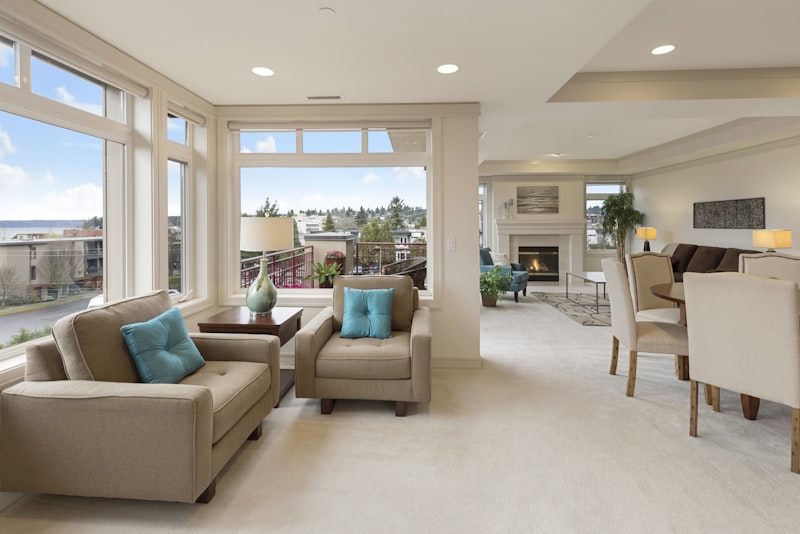
The temptation with eclectic style is to keep adding, because every new piece is interesting and "more layers" sounds like the goal. But a mixed room needs negative space just as much as a minimal one does. Empty wall, clear surface, and a little visual quiet are what let the interesting pieces register. Cram in too much and even beautiful things start to read as noise.
So edit. Pull a few things out and see if the room breathes better. Leave a surface mostly bare. Let one wall stay calm. The pieces you remove do as much for the room as the ones you keep, because they give the keepers room to be seen. A good mixed room usually has fewer things in it than people expect, arranged with more care.
The short version#
Mixing styles well isn't about following a formula that tells you exactly which chair goes with which table. It's about a handful of habits that keep variety from tipping into chaos. Agree on a palette and let it run through everything. Balance old against new so the room has both polish and soul. Repeat a material, shape, or finish to stitch unlike pieces together. Vary scale and height for rhythm. And know when to stop adding.
Do that, and you can throw together pieces from different decades, budgets, and styles, and end up with a room that looks like it was collected by someone with a confident eye, because it was. That someone is you, and the confidence comes mostly from restraint.