Most rooms that feel "unfinished" aren't missing furniture. They're missing arrangement, light, and a little texture. I learned this the slow way, styling rooms for clients who assumed the fix was always another purchase. More often the fix was free: pull the sofa off the wall, kill the overhead light, add something soft. Decorating on a budget isn't about finding cheaper versions of expensive things. It's about spending your attention before you spend your money.
Here's how I'd approach a tired room when the budget is genuinely tight.
Start by rearranging what you already own#
Before you buy a single thing, move things around. This is the part people skip because it feels too simple to matter, and it's almost always the change that matters most.
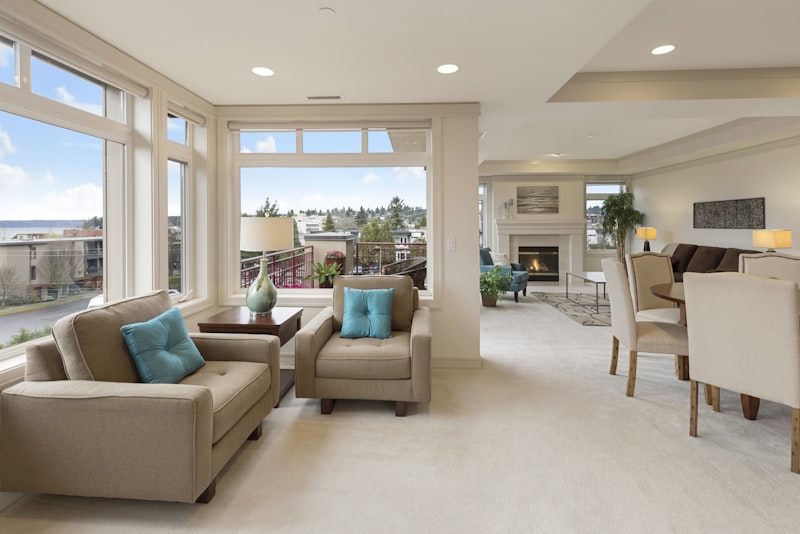
Pull large furniture a few inches off the walls. Rooms shoved entirely to the edges feel like waiting areas; a little breathing room reads as intentional. Angle a chair toward a window instead of the TV. Group seating so people can actually talk. Clear the surfaces that have quietly become drop zones, then put back only what you want there.
I'll often shop the rest of the house, too. A lamp from the bedroom, a basket from the closet, a stack of books from the office. Moving an object into a new room makes it feel new, and it costs nothing. Spend an afternoon on this before you spend a cent, because it changes what you actually need to buy.
Add softness with textiles#
If you have a small amount to spend, spend it on fabric. Textiles are the cheapest way to add warmth, color, and the sense that someone lives here and cares.
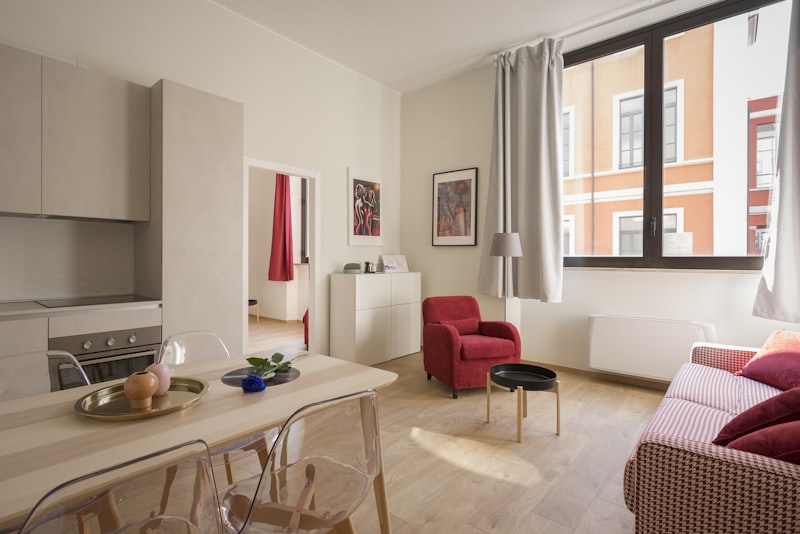
A throw blanket draped over the arm of a sofa, a couple of cushions in a color you actually like, a rug that pulls the seating together, a curtain that hangs a little higher and wider than the window. These are the things that soften the hard lines of a room and stop it feeling like a showroom nobody's allowed to touch.
A few honest notes from doing this on real budgets:
- Mix textures rather than matching everything. A knit, a linen, and a smooth weave together look richer than three identical cushions.
- Hang curtains higher and wider than the window itself; it makes ceilings feel taller and windows feel grander for the same fabric.
- A larger rug usually looks better than a small one, even a cheaper large one. Tiny rugs make a room look smaller.
Fix the lighting before you buy decor#
I'll say this in every article I write because it's the truest cheap upgrade there is: lighting changes a room more than objects do. One harsh bulb in the ceiling flattens everything and makes even nice furniture look grim.
Swapping a cold overhead bulb for a warm lamp at seated height does more for a room than a whole shelf of decorative trinkets, and usually costs less.
You don't need expensive fixtures. A single floor lamp in a dark corner, a warm bulb, and a switch you can reach from the sofa will do more than most of what people put on a coffee table. If you only buy one thing this month, make it a lamp and a warm bulb.
Bring in plants for life and color#
Plants are the rare decor item that gets better and bigger over time instead of dating. They add color, soften corners, and make a space feel cared for in a way that hard objects can't.
Be honest about your light and your habits, though. A sun-loving plant in a dim room is a slow, sad purchase. If you forget to water things, choose the tough, drought-tolerant kinds and put them where you'll actually see them. A cutting from a friend's plant costs nothing and roots in a jar of water on the windowsill. One healthy, well-placed plant beats three struggling ones every time.
Spend your money on one statement piece#
Here's the trade-off that trips people up. With a small budget, the instinct is to buy lots of little things so it feels like progress. But a dozen small, timid objects rarely add up to a styled room. They add up to clutter.
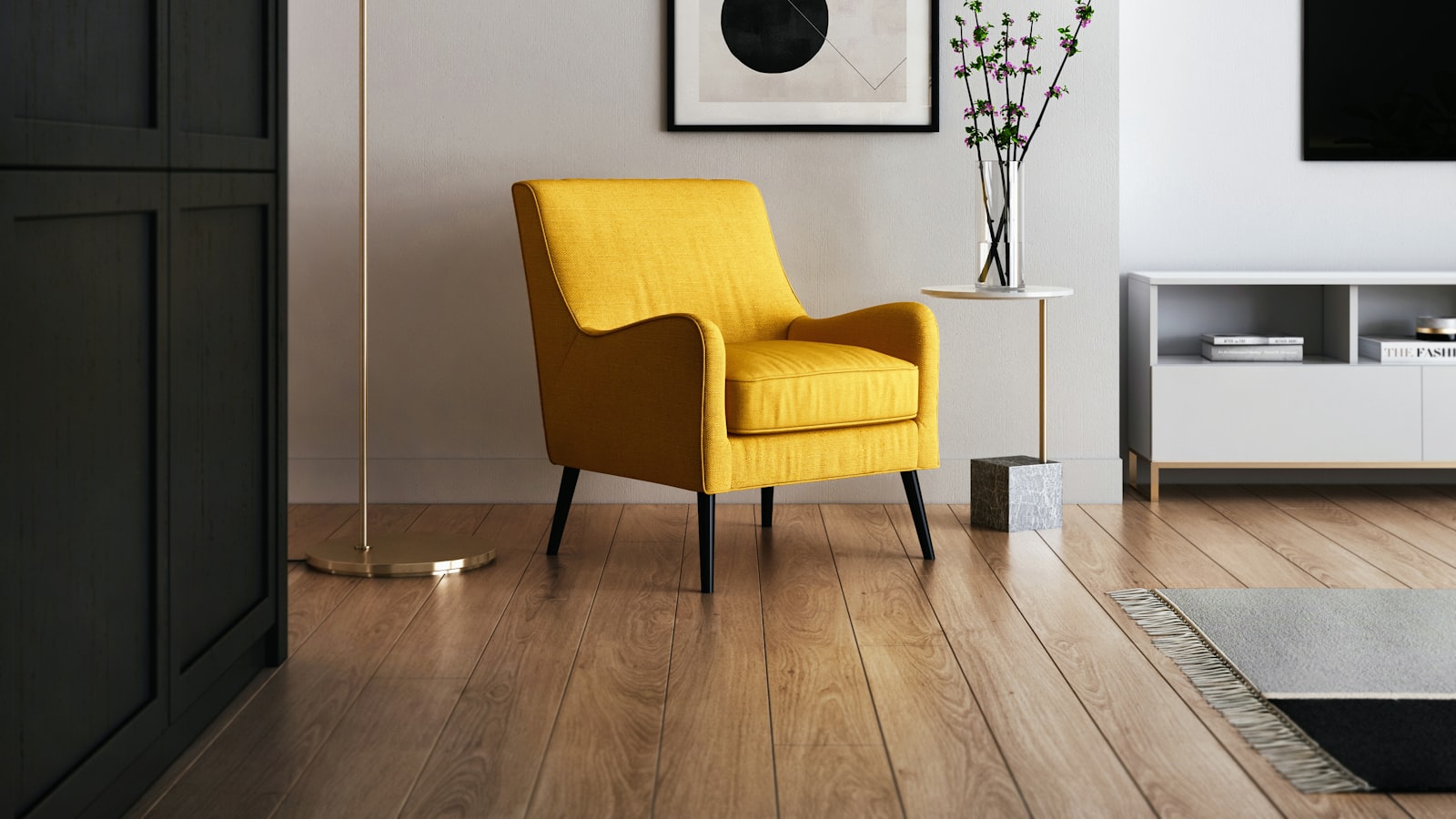
Take that same money and put it toward one piece with presence. A large piece of art, a bold mirror, a single beautiful chair, a striking light fixture. One confident thing gives a room a focal point and an opinion. The rest of the space can be modest and calm around it, and it'll still feel deliberate.
This is genuinely a trade-off, not a free win. It means living with some blank space for a while and resisting the urge to fill every surface. But a room with one strong piece and some empty walls looks far more expensive than a room cluttered with small filler.
Buy secondhand, and embrace a little age#
New matching sets are the fastest way to make a room look like a catalog page and feel like nobody chose anything. Secondhand shopping fixes that, and it's where a tight budget actually becomes an advantage.
Thrift stores, online marketplaces, estate sales, and the curb on bulk-collection day are full of solid wood furniture, interesting frames, lamps, and mirrors for a fraction of new prices. Older pieces bring patina and character that brand-new items spend years trying to fake. A scuffed wooden side table next to a new sofa looks collected; two new pieces from the same store look bought.
Go with a tape measure and a clear idea of what you need, or you'll come home with a beautiful thing that fits nowhere. Check upholstered pieces for smell and structure before buying. And don't be afraid of a coat of paint or a new knob; cosmetic flaws are exactly why these pieces are cheap and exactly what you can fix for almost nothing.
Where to put your first dollar#
If you're staring at a room and a small budget, here's the order I'd go in. Rearrange first, for free. Add one warm lamp. Layer in a throw, a cushion or two, and the biggest rug you can afford. Find one plant you can keep alive. Then, when you've saved a little, hunt down a single statement piece secondhand and build the calm around it.
None of this happens in a weekend, and it shouldn't. The rooms that look effortless are almost never bought all at once. Go slowly, trust your eye over the trends, and let the space come together one considered, affordable change at a time.